Jellyfish Splat Ink
A Splash of Creativity for Embroidery Projects
As a designer who’s stitched through countless projects, I approach every embroidery design with the mindset of how it will translate to real-world use. Jellyfish Splat Ink is one such design that immediately caught my eye—not just for its aesthetic, but for its potential in a variety of creative applications. Let me walk you through my evaluation from the perspective of someone who’s used this design in a custom embroidered tote bag project.
The First Impression: A Playful and Textured Design
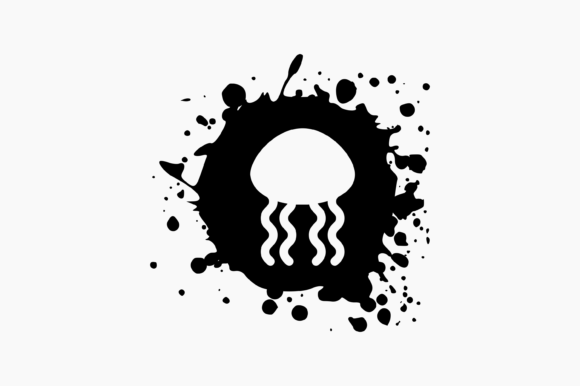
Jellyfish Splat Ink has a whimsical yet bold presence. The design features a jellyfish in a dynamic, splat-like shape, which gives it an energetic and playful feel. The lines are sharp and well-defined, making it easy to stitch while still maintaining a sense of movement. The color palette is vibrant, with a focus on deep blues and contrasting whites that make it visually striking. This kind of design is ideal for creating a memorable visual impact on items like t-shirts, mugs, and personalized gifts.
What sets Jellyfish Splat Ink apart is its texture. The splatter effect adds depth and dimension, making it more than just a flat image. It feels like something you could see in a real-life scenario—like a splash of ink hitting water. This texture works well with satin stitch and fill stitch techniques, allowing for a rich, layered look that can be adjusted depending on the fabric and hoop size.
Real-Life Use: From Tote Bags to Baby Clothes
When I first tested Jellyfish Splat Ink on a tote bag, the results were promising. The design held up well against the fabric’s texture and the weight of the material. It looked great on a light-colored canvas, adding a pop of color without overwhelming the overall look. However, I noticed that on darker fabrics, the contrast was less pronounced, which might affect visibility.
This design is also well-suited for baby clothes, where simplicity and charm are key. A small version of Jellyfish Splat Ink could work beautifully on a onesie or a bib, offering a fun and unique touch without being too busy. For holiday or birthday gifts, it adds a playful twist that appeals to both kids and adults.
On the flip side, using Jellyfish Splat Ink on thin or stretchy fabrics requires careful consideration. The splatter effect can become distorted if the fabric isn’t stable enough. In such cases, using a proper stabilizer becomes essential to maintain the integrity of the design.
Design Considerations: When to Use and When to Avoid
While Jellyfish Splat Ink is versatile, there are certain scenarios where it may not perform as well. Small hoop sizes can cause the design to lose detail, especially in areas with intricate patterns or dense stitching. Similarly, curved surfaces like caps or hats can distort the shape, making it difficult to achieve the intended look.
For products that require frequent washing, like tea towels or kitchen linens, the design should be tested thoroughly. The splatter effect may fade or shift over time, so it's important to ensure that the design is durable and suitable for repeated use.
Additionally, the design’s detailed corners and tiny lettering (if any) may be challenging to stitch accurately. These elements should be carefully reviewed before finalizing the project, especially if the design is intended for commercial use.
Visual Appeal and Product Value
Jellyfish Splat Ink contributes significantly to the visual appeal of any project. Its playful nature makes it stand out, which is crucial for handmade products and personalized gifts. Customers often choose designs based on their visual impact, and this one delivers in spades.
From a product value standpoint, the design offers good versatility. It can be used across multiple platforms, including Etsy listings, printable mockups, and digital product previews. This flexibility enhances its marketability, making it a valuable asset for craft businesses and small shop owners.
Practical Designer Notes for Success
Before using Jellyfish Splat Ink in a real project, I recommend testing it on scrap fabric to assess stitch clarity and overall appearance. Checking thread color contrast is also essential, as this can greatly affect the design’s visibility and impact.
Reviewing stitch density is another critical step. Dense areas may require additional stabilizer or adjustments to the machine settings to prevent puckering or distortion. Confirming the appropriate hoop size ensures that the design fits well and maintains its intended shape.
Testing the design in black and white mockups helps identify any issues with contrast or detail. Comparing it against both light and dark fabric backgrounds provides insight into its adaptability. Using proper stabilizer is non-negotiable, especially for complex designs like this one.
Finally, always confirm licensing terms before selling finished items or digital products. While the product description mentions unlimited use, it’s important to verify these details to avoid any legal complications.
Conclusion: A Versatile Choice for Creative Projects
Jellyfish Splat Ink is a well-crafted design that offers a balance of creativity and practicality. Whether you're working on custom apparel, embroidered patches, or boutique branding, this design has the potential to elevate your projects. With the right preparation and attention to detail, it can become a standout element in your portfolio of embroidery assets.